
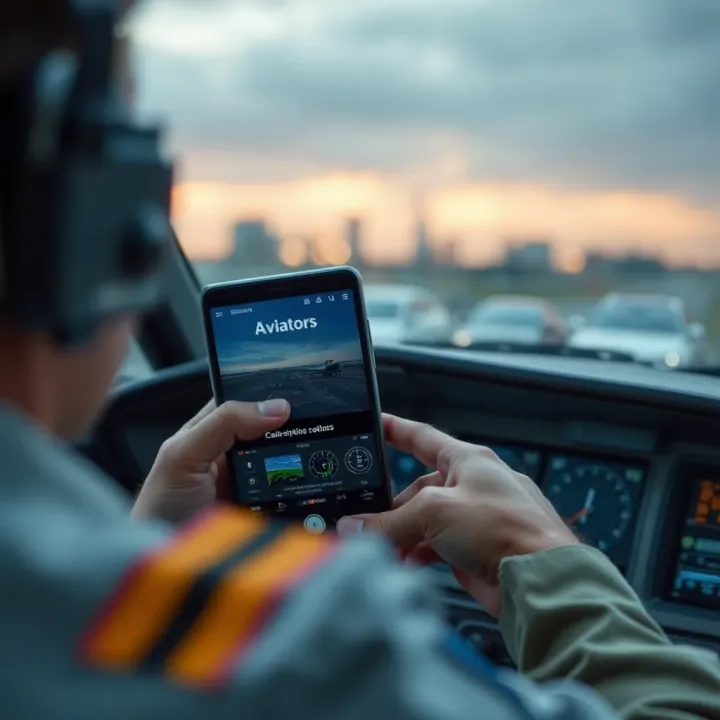
Understanding Aviators: Career and Role Explained
✈️ Explore what it takes to be an aviator in Nigeria 🇳🇬 — skills, career paths, challenges, and growth prospects in our expanding aviation sector.
Edited By
Emeka Chukwu
Being an aviator in Nigeria means more than just flying planes; it involves mastering complex skills, understanding strict regulations, and navigating a growing but challenging industry. With Nigeria's increasing demand for air travel, the role of aviators is becoming highly significant in connecting people and commerce across the country and beyond.

An aviator is a licensed pilot qualified to operate aircraft safely and professionally. In Nigeria, this includes commercial airline pilots, private pilots, cargo pilots, and those flying smaller planes for agricultural or survey purposes. To become an aviator, one must undergo rigorous training and obtain certification through the Nigerian Civil Aviation Authority (NCAA).
Aviation training in Nigeria typically starts with flight schools such as the Nigerian College of Aviation Technology (NCAT) in Zaria or private academies aligned with NCAA standards. Trainees first earn a Private Pilot Licence (PPL) before advancing to a Commercial Pilot Licence (CPL). Training covers theory, flight simulation, and practical hours in aircraft.
NCAA regulation ensures aviators meet health standards, flight experience thresholds, and recurrent training to keep skills sharp.
Nigeria’s aviation sector is growing but faces hurdles. Infrastructure constraints, high maintenance costs, and regulatory bottlenecks slow progress. Despite this, carriers like Arik Air and Air Peace expand operations, creating demand for skilled aviators. Additionally, the rise of charter services and cargo flights presents fresh career paths.
Aviation jobs also extend beyond flying — roles in air traffic control, aircraft maintenance, and safety management offer alternative opportunities within the ecosystem.
The aviation industry in Nigeria is poised for growth, but aviators must navigate challenges such as fluctuating fuel prices and intermittent runway upgrades.
For tech users, app reviewers, or compliance officers working with aviation-related apps or data, understanding the aviator’s role provides insight into operational realities and regulatory compliance in Nigeria’s skies. For bettors or gamblers interested in aviation-themed activities, knowing the industry background clarifies the scope and risks involved.
In all, becoming an aviator in Nigeria means joining a vital, evolving sector that requires skill, dedication, and awareness of local conditions. The following sections will unpack the profession's specifics, industry updates, and challenges in more detail.
Understanding the aviator profession in Nigeria offers a clear view of how crucial these skilled individuals are to the country's air transport ecosystem. This section sheds light on who aviators are, their various roles, and the essential services they provide within both commercial and broader aviation sectors. Knowing this helps anyone interested in aviation careers or the industry grasp the practical impact aviators have on daily travel, cargo movement, and national security.
An aviator in Nigeria typically refers to a trained and licensed pilot who operates aircraft professionally. This role extends beyond flying commercial planes to include private, cargo, and agricultural aviation. Aviators must meet rigorous training and certification standards, ensuring safety for passengers, cargo, and operations within Nigeria's busy and sometimes challenging airspace.
Various categories of aviators serve different niches. Commercial pilots fly scheduled passenger flights for airlines like Air Nigeria or Arik Air, ensuring connectivity between cities and countries. Private pilots often operate smaller aircraft for business executives or government officials. Additionally, there are cargo pilots handling freight deliveries vital to Nigeria's economy, including transporting perishable goods and critical supplies to remote areas.
Aviators lie at the heart of Nigeria's commercial aviation, piloting aircraft that carry thousands of passengers daily across local and international routes. Their skills directly affect airline reliability and safety, influencing Nigeria’s reputation in global air travel. For example, pilots flying for airlines like Air Peace or Dana Air facilitate not only business and tourism but also regional trade.
Beyond commercial flights, aviators play roles in national security through missions with agencies like the Nigerian Air Force or Customs. They conduct aerial surveillance, support disaster relief, and provide rapid transport during emergencies. Their ability to operate in diverse environments strengthens Nigeria’s capacity to respond swiftly to crises, including border patrols and anti-smuggling operations.
Cargo and business aviators are pivotal in moving goods and personnel where road infrastructure is limited or unreliable. From flying agricultural produce out of northern states to delivering medical supplies to hard-to-reach areas, these aviators support vital sectors of the economy. Business aviation pilots also cater to executives requiring flexible and efficient travel schedules, often utilising private jets and chartered flights.
Aviators in Nigeria do much more than fly planes; they are key players in economic growth, national security, and connecting the country internally and beyond.
This overview sets the stage for deeper exploration into training, career opportunities, and challenges faced by Nigerian aviators, painting a full picture of this demanding yet rewarding profession.
Training and certification are vital aspects of becoming a qualified aviator in Nigeria. They ensure pilots meet international safety standards while equipping them with practical skills for diverse flying conditions across the country. Without proper training and valid certification, aspiring pilots cannot operate commercial or private aircraft, making this phase the cornerstone of any aviation career.
Several flight schools in Nigeria have gained recognition for producing skilled aviators. Examples include the Nigerian College of Aviation Technology (NCAT) in Zaria, which serves as the premier institution for pilot training. NCAT offers comprehensive courses covering theoretical knowledge and flight practice using modern simulators and training aircraft. Other private flight schools also contribute by offering modular training options tailored for commercial and private pilot licences.

To supplement local training, many aspiring Nigerian aviators seek opportunities abroad, especially in countries like South Africa and the United States. International training exposes pilots to advanced aircraft models and stringent safety regulations, broadening their experience. Choosing to train overseas often provides access to better facilities and access to certifications recognised globally, which can boost employability in international airlines or multinational operators within Nigeria.
Aspiring aviators must meet specific criteria to enrol in flying schools. Generally, candidates require a minimum of five credits in WAEC or NECO, including English, Mathematics, and Physics. Age limits usually apply, often requiring candidates to be at least 17 years old. Physical fitness is mandatory, and candidates must typically pass a medical examination. These requirements ensure only suitably prepared individuals enter pilot training, reducing wastage of resources and ensuring safety.
The NCAA regulates and oversees aviation activities in Nigeria, including pilot licensing and certification. It enforces compliance with international standards set by the International Civil Aviation Organization (ICAO). NCAA’s role includes conducting pilot exams, issuing licences, and monitoring adherence to safety protocols. Their oversight ensures Nigerian aviators operate within a regulated framework, maintaining the industry’s credibility.
Pilot licences in Nigeria are categorised into Private Pilot Licence (PPL), Commercial Pilot Licence (CPL), and Airline Transport Pilot Licence (ATPL). Each licence demands successful completion of written exams and practical flight tests. The PPL allows flying small aircraft for personal use, while CPL is mandatory for commercial flying jobs. The ATPL represents the highest level, required for captains of commercial airliners. Progressing through these licences demands consistent training and examination performance.
Pilots must undergo regular medical assessments to confirm fitness for flying. The NCAA mandates specific medical certificates, often renewed annually or biennially depending on the licence category. Flight experience requirements also apply; for example, a CPL candidate must accumulate a minimum number of flying hours before applying for the licence. This blend of medical and experience checks ensures aviators remain capable of handling the physical and mental demands of their role.
Proper training and strict certification processes protect passengers, crew, and the overall safety of Nigerian airspace. Aspiring aviators should prioritise enrolling in recognised institutions and meeting NCAA standards to build credible careers in aviation.
Navigating career paths and opportunities is a key concern for any aspiring or practicing aviator in Nigeria. Given the country’s growing aviation sector, understanding where pilots can work helps in making informed decisions about training, specialization, and long-term prospects.
Major Nigerian airlines remain the backbone of aviator employment. Carriers such as Arik Air, Air Peace, Dana Air, and Aero Contractors consistently require qualified pilots to operate scheduled domestic and international flights. These airlines offer structured career progression, steady income, and exposure to diverse flying conditions. For example, Air Peace currently boasts one of the largest local fleets, creating room for junior and experienced pilots alike.
Besides scheduled airlines, private operators also provide substantial opportunities. Business jets, executive charters, and corporate flight departments maintain fleets that demand skilled aviators. These roles often offer higher flexibility and sometimes better remuneration compared to commercial airlines, but they usually require prior flying experience and multi-engine aircraft certification.
Charter operators serve various sectors, including tourism, oil and gas, and government transport. Nigerian companies like Overland Airways and Allied Air offer charter services that require pilots comfortable with irregular schedules and varied destinations. Cargo flights hold particular importance given Nigeria's reliance on air freight for medicines and electronics. Pilots in this niche often fly freighters managed by companies such as Allied Air or using leased aircraft for sectors that cannot wait for slower land transport.
Working in cargo or charter flights demands adaptability and a strong knowledge of Nigerian airspace, often requiring pilots to operate from secondary airports or smaller airstrips used in remote regions.
For aviators passionate about sharing knowledge, becoming flight instructors offers a fulfilling career. Flight schools in Lagos, Abuja, and Port Harcourt employ experienced pilots to train cadets for private and commercial licences. Instructors play a vital role in raising the quality of Nigerian pilot training and ensuring compliance with NCAA regulations.
Training careers also extend to simulator instruction and ground school teaching, offering jobs beyond actual flight hours. These roles help bridge the gap in pilot shortages by producing capable new entrants.
Aviation safety experts and regulators form the backbone of Nigeria's compliance with international standards. Organisations like the Nigerian Civil Aviation Authority (NCAA) and Accident Investigation Bureau employ aviators experienced in operational safety, incident analysis, and oversight.
Pilot experience is invaluable for these roles because it informs safety audits, licensing enforcement, and certification processes. Careers in this field often come with the chance to influence aviation policy and enhance national aviation reputation.
Beyond traditional passenger and cargo flights, some Nigerian pilots find niches in aerial surveys and agricultural aviation. This includes mapping, land surveys, pipeline inspections, and aerial spraying of crops. Companies in the agric-business and environmental sectors rely on aviators skilled in low-level flying and terrain navigation.
Though less common, these jobs are vital for sectors like oil exploration and farming, contributing indirectly to Nigeria’s economy. The required skill sets differ; for instance, agricultural flying demands precision and the ability to operate specialised aircraft at low altitudes.
Appreciating diverse career facets helps Nigerian aviators better plan their professional journey while aligning with the industry’s needs and growth trends.
By exploring these established and alternative aviation roles, Nigerian aviators can identify opportunities that suit their skills, preferences, and ambitions amidst the changing landscape of Nigerian skies.
Understanding the challenges Nigerian aviators face is vital for grasping the full picture of the aviation sector here. These challenges have direct consequences on pilot training quality, flight safety, and career progression. For any aspiring aviator or stakeholder, knowing these hurdles helps in preparing realistically and pushing for necessary reforms.
Training to become a pilot in Nigeria often comes with a steep price tag. Flight schools typically charge between ₦5 million and ₦15 million just for basic pilot licences. For many young Nigerians, especially those outside the major cities, these fees place professional aviation out of reach. This financial hurdle means potential talents sometimes either give up or seek training abroad at higher costs, contributing to a brain drain in local aviation.
Moreover, the costs do not stop at tuition. Prospective pilots must factor in expenses like accommodation, medical exams, licensing fees, and additional simulator time. These layered costs add up, posing a serious barrier despite available scholarships or loans being scarce.
The spread of flight schools across Nigeria remains limited, with most quality institutions concentrated in Lagos, Abuja, and Port Harcourt. For candidates from northern or eastern states, access to top-tier training centres can mean relocating far from home, which brings logistical and financial burdens.
Beyond location, equipment shortages hamper training progress. Some flight schools rely on ageing aircraft, and newer simulators—essential for modern pilot training—are limited due to high initial costs. This lack affects not only the number of trainees but also the quality of practical experience future aviators receive.
Many Nigerian airlines operate older, sometimes tokunbo (second-hand) aircraft that require frequent maintenance. This reliance on ageing fleets raises operational costs and heightens risks. Infrastructure challenges, such as inconsistent power supply at airports and limited maintenance facilities, worsen the situation, delaying repairs or grounding aircraft for extended periods.
Such conditions affect aviators’ ability to accumulate flight hours safely and consistently. For example, a pilot waiting weeks for a plane to be airworthy struggles to meet currency requirements, which can stall career advancement.
Nigeria’s aviation regulatory environment has improved but still faces scrutiny regarding full adherence to International Civil Aviation Organization (ICAO) safety standards. Regular audits by bodies like the Nigerian Civil Aviation Authority (NCAA) highlight gaps in maintenance protocols, pilot training updates, and operational oversight.
Aviation professionals must stay updated on these safety regulations to maintain global competitiveness. Non-compliance can lead to restrictions from international partners, limiting job opportunities for aviators and reducing the country's attractiveness to foreign airlines and investors.
Addressing these operational and training obstacles is key to nurturing skilled pilots and raising Nigeria’s standing in global aviation circles. Without tackling these challenges head-on, the country risks stalling the growth of a sector vital to its economy and connectivity.
By focusing on these challenges—both financial and technical—aspiring aviators and stakeholders can better navigate the demands of this dynamic profession in Nigeria. Knowing the landscape allows for smarter decisions and stronger advocacy for improved policies and investments.
The outlook for Nigeria's aviation sector matters a lot for both current and aspiring aviators. It shapes the demand for pilots, affects their career growth, and signals what training and skills will be needed. Understanding growth trends, investments, and future prospects helps aviators prepare and align their plans with industry needs.
Nigeria's aviation infrastructure has seen steady attention from both government and private players. New airport terminals in cities like Lagos and Abuja are under construction or planning phases, aiming to boost passenger capacity and improve safety. For instance, the ongoing work at Mallam Aminu Kano International Airport, designed with modern navigational aids, is set to enhance operational efficiency.
Such developments matter practically because better facilities reduce delays and improve pilot experience. It also means upcoming aviators can expect improved working conditions and modernised equipment, important for skill application and career satisfaction. Plus, enhanced infrastructure attracts more airlines, increasing pilot job openings.
International partnerships have grown, with firms from Europe and the Middle East collaborating to upgrade Nigeria’s air traffic systems and training. Partnerships with companies like Boeing and Airbus provide access to advanced aircraft maintenance and pilot training programmes. Meanwhile, private sector actors continue investing in regional flight services and charter operations.
This mix is critical. Foreign expertise introduces global standards, helping local aviators stay competitive. Private companies fill gaps left by public bodies, creating alternative career pathways and improving service quality. For example, private airlines investing in pilot development schemes often provide hands-on experience faster than larger carriers.
Growing passenger traffic and cargo demands are pushing airlines to recruit more pilots. Nigerian carriers such as Air Peace and Arik Airlines frequently advertise for experienced and freshly licensed pilots. The expansion of regional flight routes within West Africa further widens opportunities.
For aspiring aviators, this means enhanced job prospects, provided they meet the licensing and experience requirements. The demand for multi-crew licensed pilots and those with instrument and type ratings is particularly strong. Also, pilots with expertise in cargo and charter flights find more chances as logistics grow.
Technology in Nigerian aviation training is evolving. Flight simulators using updated software are now common in training centres like the Nigerian College of Aviation Technology (NCAT), allowing pilots to practise scenarios without risks. Also, some schools are starting to include drone operation and remote piloting in their curriculum.
Such innovations help pilots gain wider exposure and adapt to new aircraft systems faster. The use of blended learning platforms means students can access theory lessons online, reducing time and costs. These advances make pilot training more accessible and relevant to modern aviation demands.
Investing time and resources into understanding this outlook could be the edge that sets Nigerian aviators apart in a competitive industry.
Overall, Nigeria’s aviation industry is set for growth, driven by infrastructure upgrades, international cooperation, and rising pilot demand. Aviators who keep up with these changes stand to benefit significantly.
✈️ Explore what it takes to be an aviator in Nigeria 🇳🇬 — skills, career paths, challenges, and growth prospects in our expanding aviation sector.

Explore 22Bet’s latest features and payment options for Nigerian users 🇳🇬. Get tips on registering, safe betting, and navigating the platform for your best experience! 🎲

⚽ Explore how AI predicts exact football scores using big data and machine learning. See its impact on Nigerian betting markets, fintech, and fan excitement! 🤖📊

🎫 Learn how Nigerian bettors can spot, verify & claim 22bet winning tickets safely. Avoid common errors, manage your ₦ winnings wisely, & stay secure while betting.
Based on 9 reviews